
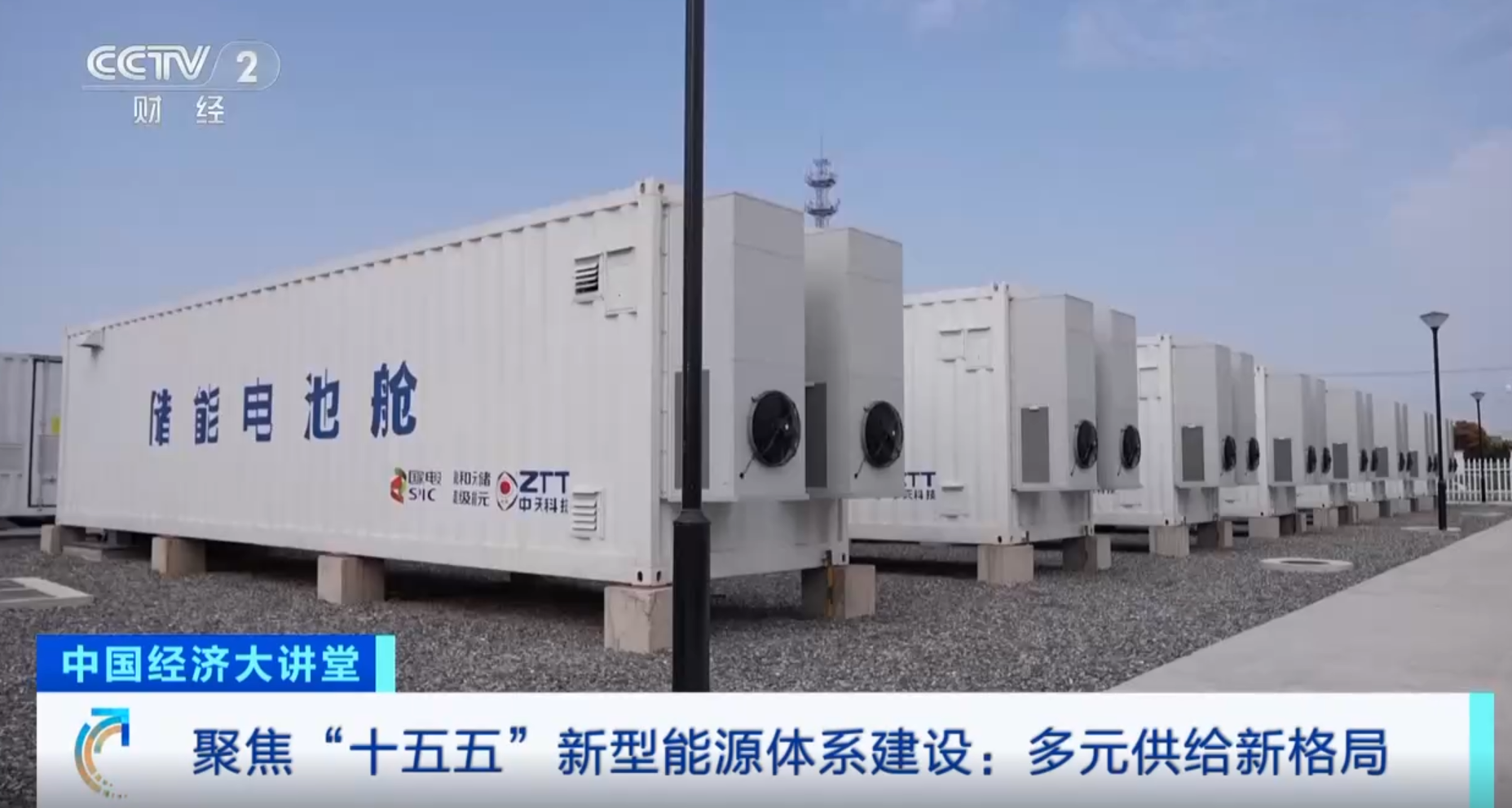
Recently, according to reports from mainstream media including *CCTV News* and *CCTV Finance*, the "half-year report" of China's economy in 2026 has been released, with energy storage lithium batteries emerging as the well-deserved "main force" of the industrial sector.
The national output of lithium-ion batteries saw a year-on-year increase of 39.3%, while the shipment growth of energy storage batteries even exceeded 80%. A chief R&D engineer at a leading battery factory admitted that the production lines have been "running nonstop at full tilt" in the first half of the year. Even veteran employees with 15 years of industry experience have never witnessed such robust market demand, with energy storage orders surging by 30 times.
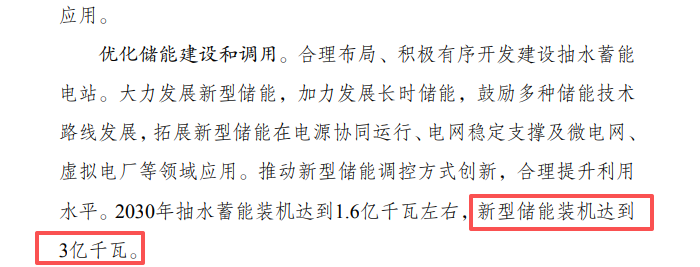
The core engine behind this industrial boom is the rapid surge of global AI computing power. Large model training and inference data centers consume massive amounts of electricity, making millisecond-level energy storage backup power an essential rigid requirement for computing power facilities. Coupled with the 15th Five-Year Plan listing new-type energy storage and computing-power-electricity coordination as key development priorities, the long-term demand for the energy storage track has strong certainty.
However, on the flip side of this rapid industrial expansion, safety concerns are becoming increasingly prominent.
The new energy vehicle and energy storage industries at home and abroad have entered a period of concentrated problem outbreaks. Frequent incidents such as battery thermal runaway and vehicle spontaneous combustion hang like a sharp blade over the entire industrial chain. How to effectively block high-temperature spread when a cell catches fire and prevent a "domino-style" chain reaction has become the core proposition that determines whether the industry can achieve stable and long-term development.
After aerogel, who will be the next generation "King of Thermal Insulation"?