
I. Specialized & Sophisticated Nano Thermal Insulation Source Manufacturer
WH Thermal Technology (Shanghai) Co., Ltd., established in 2013, specializes in the R&D, production, and overall energy-saving solutions of nano fireproof and thermal insulation materials. It is a high-tech and specialized & sophisticated enterprise integrating independent R&D, large-scale manufacturing, and customized services.
1. Large-Scale Production Layout
The company has established two production bases in East China and Central China, with the two industrial parks in Nantong, Jiangsu and Jingmen, Hubei covering a total area of over 30,000 ㎡, equipped with 16 automated professional production lines, with an annual production capacity of over 10 million square meters, capable of meeting the bulk procurement needs of large-scale new energy, metallurgy, and energy storage projects. Our business covers domestic and overseas markets, having served over 5,000 enterprises across various industries, with products exported to more than 20 countries globally, boasting stable cross-border delivery and supporting capabilities.
2. R&D Innovation and Development History
In 2014, the company officially started R&D on nano thermal insulation materials, having accumulated over 30 patent intellectual properties; in 2025, it established a R&D company in Kunshan, introducing a full set of high-temperature refractory, thermal runaway, and insulation testing equipment, capable of conducting joint targeted material testing with industry-leading enterprises, and was recognized as a Kunshan Shuangchuang Talent Enterprise. Key development milestones: 2013 Shanghai headquarters established, entering the refractory and insulation sector 2014 Initiated nano material R&D, securing over 20 patents 2017 Recognized as a High-Tech Enterprise, passed ISO9001 and EU CE certifications 2021 Nantong production base put into operation, expanding with 6 automated production lines 2022 WHMF energy storage dedicated insulation sheets achieved mass production, deeply supporting leading new energy clients 2023 Jingmen, Hubei base established, adding 10 professional production lines 2025 Recognized as a Specialized & Sophisticated Enterprise, Kunshan R&D Center put into operation.
3. Comprehensive Authoritative Certifications
System Certifications: ISO9001 Quality, ISO14001 Environmental, ISO45001 Occupational Health, and Intellectual Property Management Systems International Certifications: CE, RoHS, REACH, UL environmental and safety certifications Testing Qualifications: Product fire resistance reports hold CNAS and MA authoritative qualifications, fire resistance tests comply with EN1364 and GB/T9978 standards, with fire integrity and insulation lasting up to 120 minutes Corporate Honors: Shanghai High-Tech Enterprise, Specialized & Sophisticated SME, AAA Integrity Enterprise
4. Corporate Culture
Vision: Building a safer and more energy-efficient future for the world Mission: Continuous innovation, providing optimal fireproof and thermal insulation energy-saving solutions Values: Pragmatic and Integrity, Striving for Excellence, Win-Win Cooperation
II. WHMF Nano Thermal Insulation Core Technology and Product Parameters
1. Nano Triple Thermal Insulation Principle
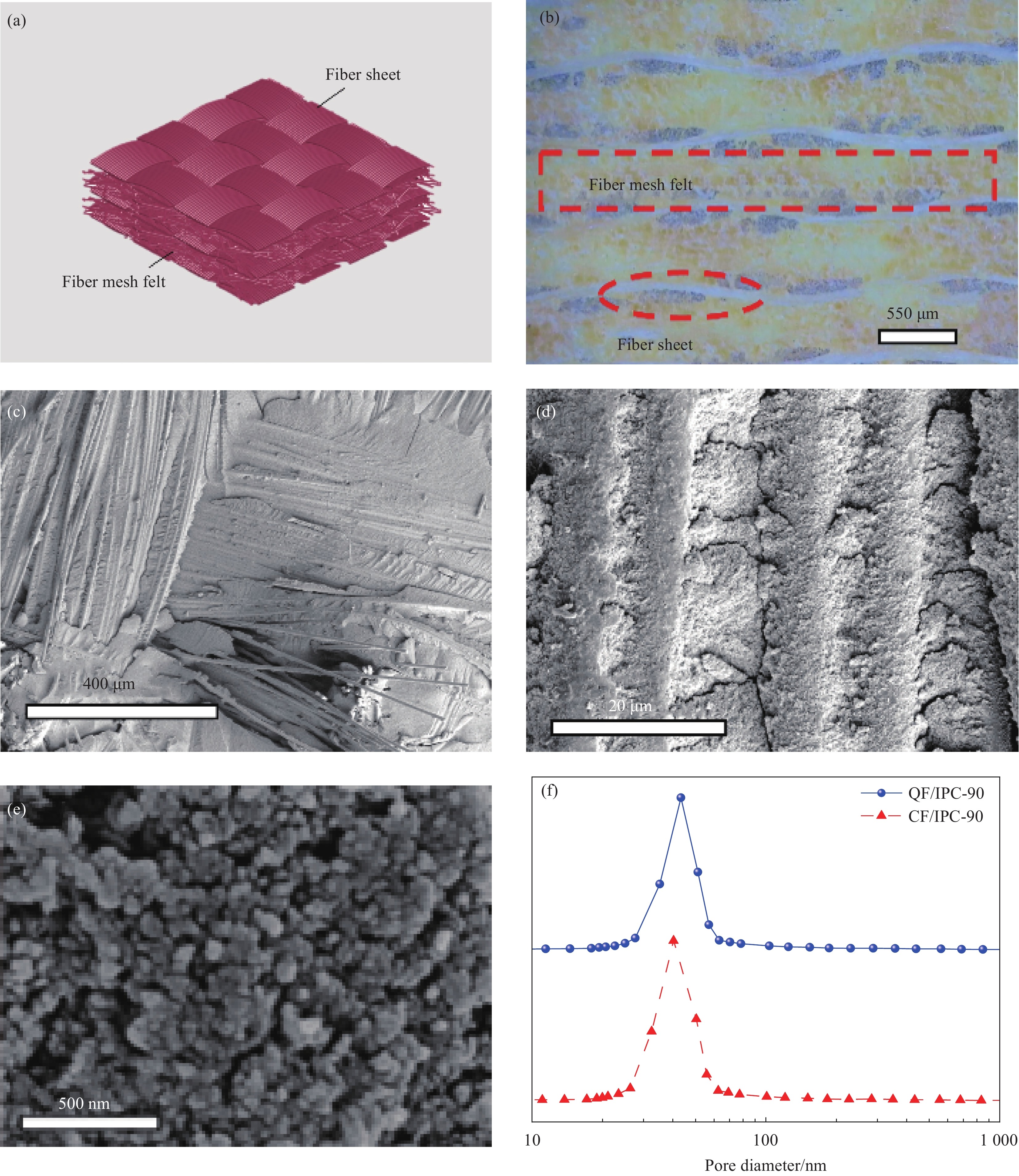
WHMF full product line uses 7~12nm fumed silica as the core base material, compounded with high-temperature resistant inorganic fibers and SiC/Zr₂O infrared opacifiers, formed at high temperature as an integrated piece, forming a 90% high-porosity nano-microporous structure internally, simultaneously blocking three heat transfer paths:
1. Blocking solid conduction: Ultra-fine nano powder elongates the solid heat transfer path, significantly reducing solid-phase thermal conductivity;
2. Suppressing gas convection: The micropore size is smaller than the mean free path of air molecules, preventing convective heat transfer of air;
3. Blocking infrared radiation: Special opacifiers reflect high-temperature infrared radiation, resulting in extremely low thermal insulation degradation under high-temperature conditions. Under the same operating conditions, thermal insulation performance is 3-4 times that of traditional insulation materials such as rock wool and ceramic fiber.
2. General Core Physical and Chemical Indicators
Test Item | Standard Parameter |
Thickness Range | 1~50mm, as thin as 1mm |
Long-Term Service Temperature Limit | 1200℃ |
Density | 250~400kg/m³, lightweight with low load |
Thermal Conductivity at Room Temperature | 0.022 W/m·K (25℃) |
Thermal Conductivity at 800℃ High Temperature | 0.032 W/m·K |
Permanent Linear Shrinkage at 800℃×24h | ≤0.5%, no deformation or cracking at high temperatures |
Combustion Rating | Grade A Non-combustible (A1/A2) |
Fire Resistance Rating | Up to EI120 (120 minutes fire resistance) |
 3. WHMF Five Standardized Product Matrices
To address the different high-temperature, confined, flexible, ultra-thin, and metallurgical special operating conditions across various industries, we have five series to achieve full-scenario coverage:
1. WHMF-41 Nano High-Temperature Insulation Board Rigid standard board, supporting 2.8-meter extra-long one-piece custom sizing, suitable for energy storage prefabricated cabins, factory firewalls, general industrial furnaces and kilns, achieving EI60/EI90/EI120 multi-level fire resistance grading, the most widely used general-purpose model.
2. WHMF-42 Ladle-Dedicated Nano Insulation Board Metallurgical custom formulation, resistant to molten steel thermal shock and low heat storage, used for ladles, tundishes, torpedo cars, and electrolytic aluminum pots, reducing molten metal temperature drop and lowering metallurgical fuel consumption.
3. WHMF-43 Flexible Nano Insulation Board Bendable and flexible structure, suitable for irregularly shaped equipment, high-temperature pipelines, and removable insulation jackets, widely used in petrochemical, boiler, and high-speed train cabin insulation.
4. WHMF-44 Vacuum Nano Insulation Board Extremely low heat capacity and ultra-low thermal conductivity, for aerospace precision equipment, laboratory high-temperature furnaces, and cold-chain medical equipment, where high temperature control precision is required.
5. WHMF-46 Ultra-Thin Nano Insulation Sheet Ultra-thin specifications of 0.8~7mm, with excellent insulation and voltage resistance, specially designed for gaps between new energy vehicle battery cells and energy storage modules, combining thermal insulation, cushioning, and flame retardancy.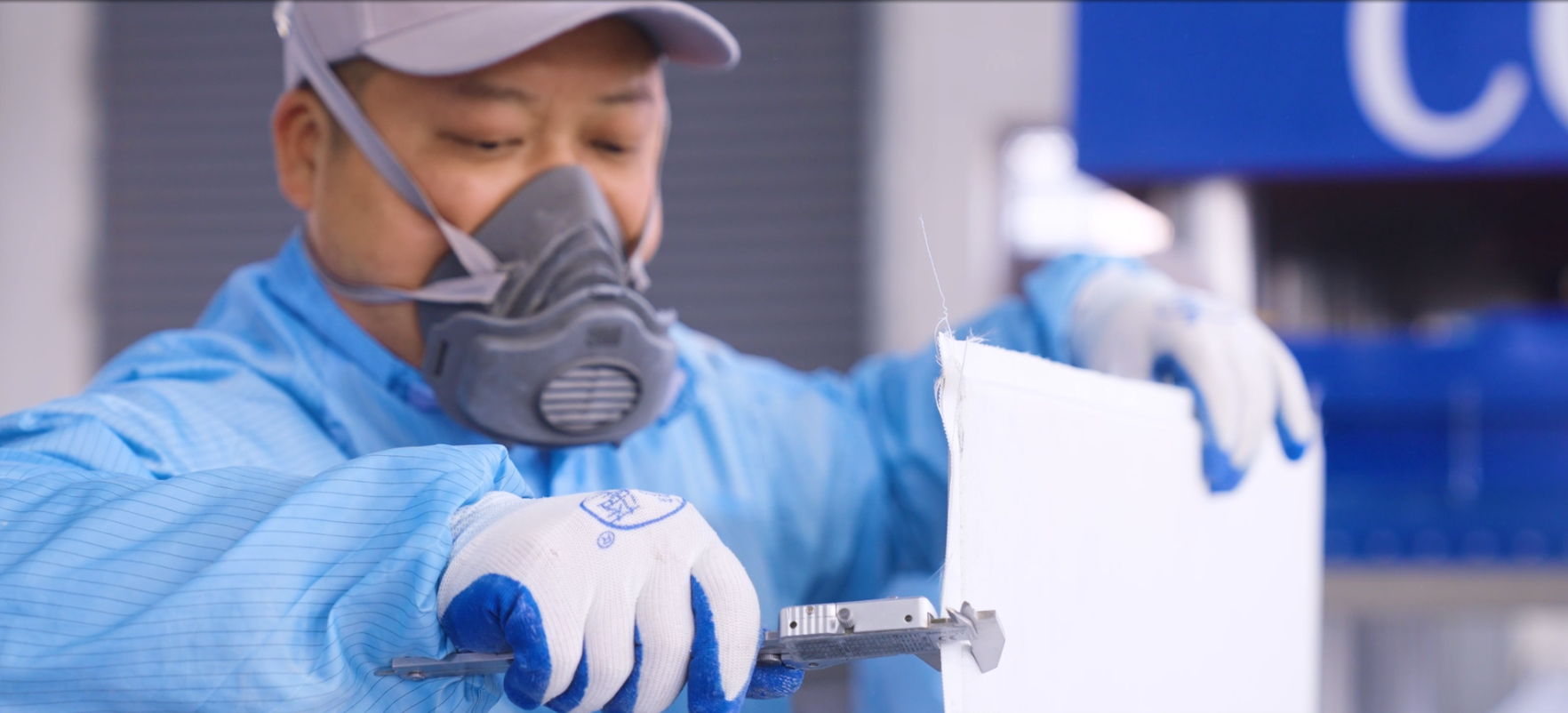
4. Six Core Product Advantages
1. Ultra-thin & Space-saving: Only 1/3 the thickness of traditional materials for the same insulation effect, freeing up internal equipment volume and increasing energy storage and battery pack capacity;
2. Stable High-Temperature Performance: Thermal conductivity at 800℃ is only 0.032 W/m·K, with no pulverization or settlement during long-term use;
3. Safe, Long-lasting & Durable: Fully inorganic Class A non-combustible material, corrosion-resistant, resistant to thermal cycling, with a service life far exceeding that of rock wool and ordinary aerogel;
4. Lightweight & Low Load: Density of only 250~400kg/m³, reducing the overall load-bearing of cabins and furnaces;
5. Flexible Customization & Easy Installation: Thickness, length/width, and hardness/softness can all be cut and customized, with an integrated sheet design for simple on-site assembly;
6. Worry-Free Export Compliance: Full set of international environmental and fire resistance certifications, meeting UL, NFPA, and EN standards for overseas project access.
III. Full-Scenario Thermal Insulation Solutions for Five Major Fields
(I) Energy Storage Industry: Addressing the Three Major Pain Points of Thermal Runaway, Temperature Stabilization, and Compliance
Industry Pain Points: Energy storage cabins exposed to outdoor sunlight and high temperatures, cascading thermal runaway of battery cells, and mandatory domestic and international fire resistance standards. Combined Solution: WHMF-46 ultra-thin insulation sheets placed in gaps between battery cells and modules to balance the battery temperature field, encapsulating high-temperature hot spots under nail penetration conditions to prevent thermal runaway propagation; WHMF-41 rigid insulation boards used for cabin liners and fireproof partitions, achieving 1~4 hours of fire resistance, meeting GB/T 51048, UL9540, and NFPA855 global energy storage safety standards. Delivered Value: Reduces air conditioning temperature control energy consumption, increases energy storage cabin installation capacity, reduces fire and operational maintenance costs. Already mass-supplied to leading energy storage companies such as CATL, Huawei Digital Power, Sungrow, and China Guodian.
(II) New Energy Vehicles: Meeting the Dual Demands of Lightweighting and Battery Fire Protection
Industry Pain Points: Confined space inside battery packs, continuous vibration during driving, and high risk of battery cell thermal runaway. WHMF-46 ultra-thin nano insulation sheets are as thin as 0.8mm, with insulation resistance ≥500MΩ, and compression rebound performance superior to traditional aerogel; placed between battery cells and between modules and shell interlayers, combining thermal insulation, shock absorption, and flame retardancy, complying with GB/T 30512 automotive hazardous substance and RoHS standards, suitable for mass production matching of passenger vehicles, commercial vehicles, and residential energy storage battery packs.
(III) Metallurgical Industry: Energy-Saving Retrofits for Ladles and High-Temperature Furnaces & Kilns
Industry Pain Points: Traditional insulation is heavy, molten steel temperature drops quickly, furnace body heat dissipation energy consumption is high, and outer shell high-temperature burn risks exist. WHMF-42 ladle-dedicated boards + WHMF-41 high-temperature boards combination:
1. Inner lining insulation for ladles and tundishes, reducing temperature drop, improving metal yield, and lowering gas consumption;
2. Backup insulation for tunnel kilns and roller hearth kilns, significantly reducing insulation layer thickness under the same insulation effect, with intermittent furnaces capable of rapid heating and cooling, achieving comprehensive energy savings of 30% or more;
3. Outer wall temperature control of equipment, eliminating high-temperature burn hazards, and no dust pollution of workpieces.
(IV) Aerospace and Precision High-Temperature Equipment
Industry Pain Points: Strict equipment weight reduction requirements, high temperature field uniformity requirements, and clean, dust-free operating conditions. Utilize WHMF-44 vacuum nano insulation boards, with low heat capacity and rapid heating/cooling, ensuring uniform and stable furnace temperatures; suitable for aviation high-temperature test tooling, spacecraft ground thermal simulation equipment, investment casting furnaces, and laboratory precision high-temperature equipment, improving process stability and product yield.
(V) Petrochemical, Power, High-Speed Rail, and General High-Temperature Equipment
Covering scenarios such as high-temperature cracking furnaces, reactors, large-diameter pipelines, gas equipment, motor compartments, elevators, and mining equipment:
1. Reducing the outer surface temperature of pipelines and furnaces to meet safety production specifications;
2. Reducing equipment heat dissipation losses, lowering long-term electricity and gas operating costs;
3. The board structure is stable, not prone to aging, reducing the frequency of shutdowns for maintenance.