

Application case of steel metallurgy: refractory+nano microporous insulation composite system, high temperature resistance and energy saving
Steel metallurgy belongs to ultra-high temperature continuous operation conditions, and core equipment such as blast furnaces, converters, ladles, and heating furnaces are subjected to long-term high-temperature burning, slag erosion, and alternating cold and hot impacts. Traditional single refractory materials focus on fire resistance and erosion resistance, but have weak thermal insulation performance, high equipment heat dissipation loss, high energy consumption, and a large temperature difference in the refractory layer that is prone to cracking and falling off, resulting in high equipment operation and maintenance costs and short service life.
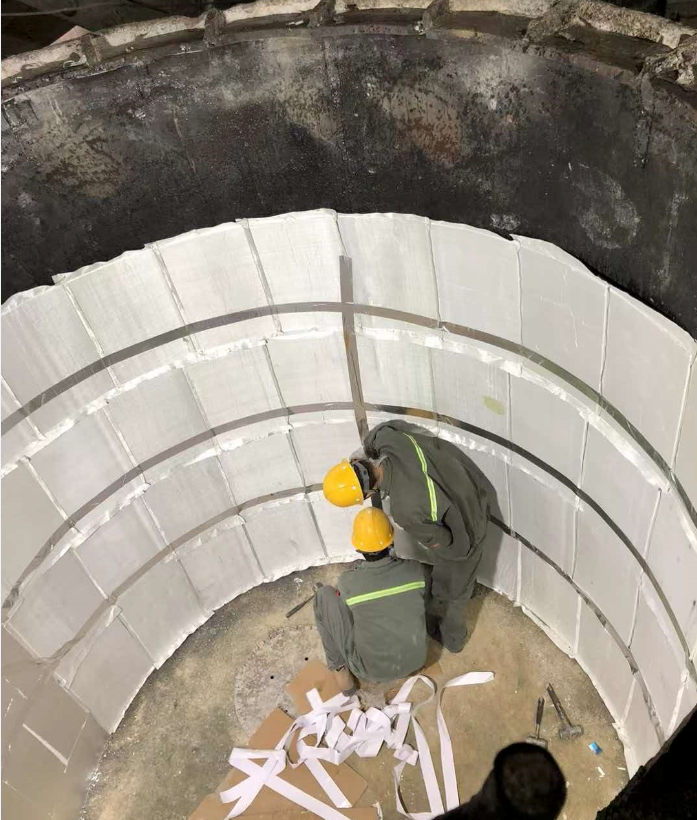
In response to industry pain points, our company adopts a composite protection solution of refractory working layer and silica based nano microporous thermal insulation backing. Combining the anti erosion and erosion advantages of refractory materials with the ultra-low thermal conductivity and thermal insulation advantages of nanomaterials, we aim to achieve a comprehensive upgrade of high temperature resistance, stable working conditions, energy consumption reduction, and life extension for steel metallurgical production lines.
industry pain points
-High energy consumption: a single refractory material has a high thermal conductivity, severe heat dissipation from the furnace body and ladle, high fuel loss, and poor energy-saving effect;
-Short lifespan of furnace lining: large temperature difference between the inside and outside of the refractory layer, concentrated thermal shock stress, easy cracking, peeling, erosion, frequent shutdown for maintenance;
-Structural limitations: Traditional insulation lining layers are thick and occupy the effective capacity of equipment, increase the load-bearing capacity of equipment, and affect production capacity;
-Weak adaptability to working conditions: Ordinary insulation materials have poor resistance to high temperatures, smoke and dust erosion, and are prone to failure during long-term high-temperature operation.
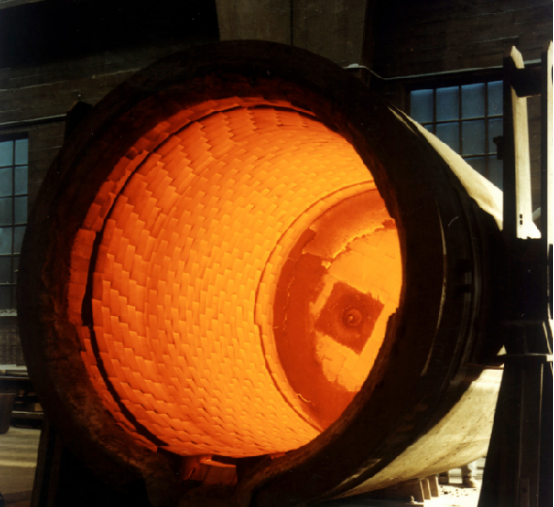
Core solution
Adopting a graded composite structure of "fire-resistant working layer+nano microporous insulation backing", it is synergistically adapted to the entire high-temperature equipment process of steel production. The refractory layer is resistant to high temperature erosion, erosion, and wear; Nano microporous backing for thermal insulation and temperature locking significantly reduces equipment heat dissipation, and can be widely adapted to various metallurgical high-temperature equipment such as blast furnaces, converters, ladles, and heating furnaces.
Core advantages of materials
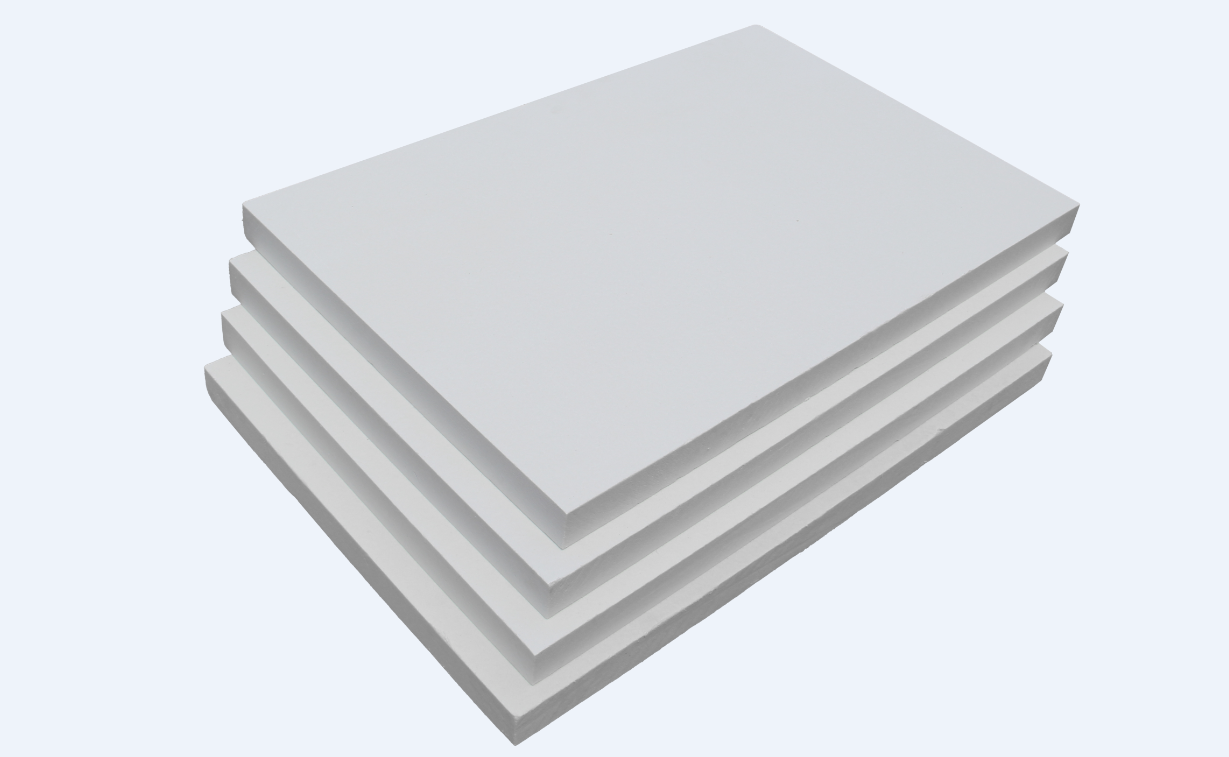
High temperature insulation performance far exceeds traditional insulation materials, with an equivalent thickness of only 1/3~1/2, which can reduce heat loss by more than 30% and help save energy and reduce carbon emissions; Resistant to high temperatures above 1000 ℃, strong thermal shock resistance, and suitable for frequent alternating cold and hot working conditions; The material is lightweight and can be expanded to increase production and reduce equipment load; Corrosion resistance, aging resistance, long service life, and better full cycle cost; Flexible cutting and adaptation to complex structures, easy construction, effectively reducing equipment downtime.
Product application effectiveness
Through the systematic application of nano porous insulation materials, the steel smelting production line achieves multiple benefits improvements:
Significant energy-saving benefits: The outer wall heat loss of the core furnace and high-temperature container is significantly reduced, fuel consumption is significantly reduced, and the comprehensive energy consumption index per ton of steel is optimized, directly reducing production and operation costs and helping enterprises achieve energy-saving and carbon reduction assessment goals.
Production efficiency improvement: The rate of temperature drop of molten steel and iron slows down, the stability of casting temperature improves, and the quality of finished products is more controllable; The internal space released by the thinning of the insulation layer can increase the effective volume of the ladle and furnace, increase the output of a single batch, and improve the overall production capacity of the production line.
Reduced operation and maintenance costs: The service life of materials has been significantly extended, and the frequency of maintenance and replacement has been significantly reduced, which not only reduces the cost of material procurement and construction labor, but also reduces the production capacity loss caused by downtime, resulting in outstanding economic benefits throughout the entire life cycle.
Improvement of working environment: The surface temperature of the outer wall of the equipment has been significantly reduced, the high-temperature radiation heat in the workshop has been significantly reduced, the front-line operating environment has been optimized, and the safety risks of high-temperature operations have been synchronously reduced.
Tel

Contact Us

official account
Copyright © WH Thermal Technology(Shanghai) Co., Ltd. All rights reserved


