

Application case of lithium battery safety protection | Nano porous insulation material, constructing a thermal runaway blocking safety barrier
With the rapid development of the power battery and energy storage lithium battery industry, thermal safety of lithium batteries has become a core concern in the industry. Lithium battery thermal runaway can release temperatures of thousands of degrees Celsius in an instant, and rapid heat conduction can easily cause chain explosions, which is a key bottleneck restricting the safe development of the industry. Traditional insulation materials have shortcomings such as insufficient insulation efficiency, large thickness, and easy release of harmful substances at high temperatures, making it difficult to meet the multiple needs of safety protection, energy density, and long-term reliability.
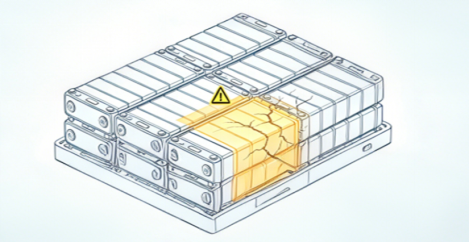
The nano porous thermal insulation material mainly made of high-purity nano silica, with its core characteristics of ultra-low thermal conductivity, A-level non flammability, and ultra-thin lightweight, can construct a graded thermal protection system from the battery cell to the system, effectively blocking the spread of thermal runaway and building a strong safety defense line for lithium battery applications in all scenarios.
industry pain points
1. Rapid spread of thermal runaway and high chain risk:
After the thermal runaway of a single battery cell, the heat is rapidly conducted to the surrounding cells, causing the entire group to explode in a short period of time. Existing protective measures are difficult to effectively slow down the spread speed.
2. Difficulty balancing protection and capacity:
The priority of battery pack space is to ensure the capacity of the battery cells. Traditional insulation materials with large thickness will occupy the space for battery layout and reduce the energy density of the system.
3. Complex working conditions and high stability requirements:
Lithium batteries undergo long-term cycles of charging and discharging, vibration and shock, and high and low temperature alternation. Ordinary materials are prone to aging and failure, and cannot meet the full life cycle protection needs of batteries.
4. Prominent hazards: Some organic insulation materials are prone to combustion and release toxic smoke at high temperatures, exacerbating fire injuries and not meeting the intrinsic safety requirements for lithium battery safety protection.
Solution
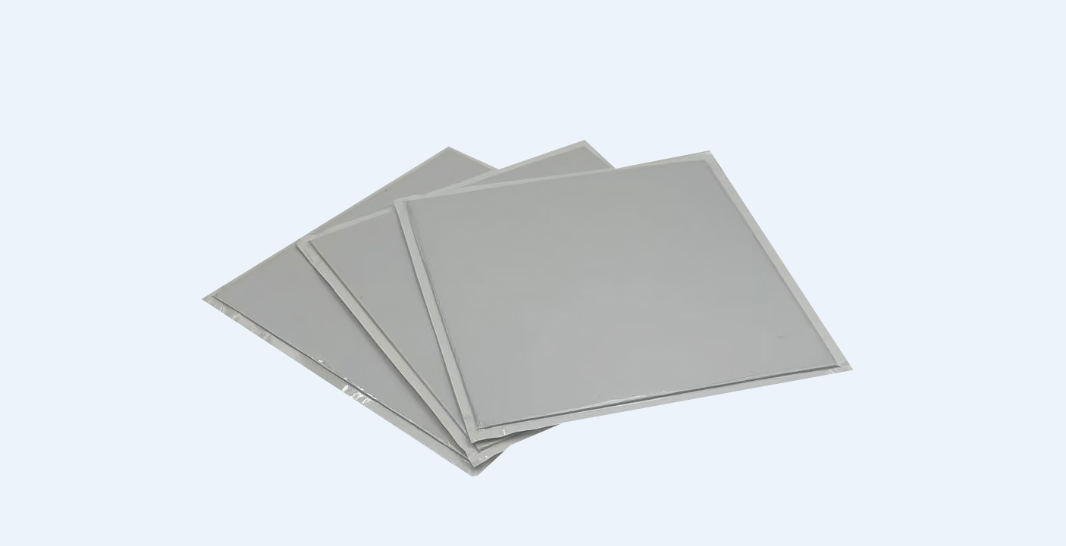
Adopting a graded thermal protection design to accurately suppress thermal runaway conduction of lithium batteries: nano insulation pads are laid between the battery cells and modules to block lateral heat transfer and control the fault range; The inner wall of the battery pack is coated with materials to prevent high temperature overflow and reduce the impact of environmental temperature changes on the battery; Key components such as explosion-proof valves and BMS are insulated and shielded to prevent secondary electrical failures and ensure controllable emergency situations.
Application Effectiveness
Through the systematic application of nano porous insulation materials, the thermal safety performance of lithium battery systems has been significantly upgraded: the speed of thermal runaway chain propagation has been greatly slowed down, and the overall safety protection level of battery packs has been effectively improved; The ultra-thin design balances safety protection and energy density; The long-term and stable characteristics of the material also reduce the safety and operation risks throughout the battery life cycle, providing reliable safety support for multi scenario applications such as power batteries and energy storage lithium batteries.
Tel

Contact Us

official account
Copyright © WH Thermal Technology(Shanghai) Co., Ltd. All rights reserved


