

Application Case of Industrial Kilns | Nano porous Thermal Insulation Materials Help Kilns Save Energy, Improve Quality, and Extend Life
Industrial kilns are the core thermal equipment in industries such as building materials, ceramics, glass, lithium-ion new materials, metallurgy, and are also the main energy consuming units in the production process. Traditional kilns often use a lining structure of refractory bricks and ordinary insulation materials, which has limited thermal insulation efficiency, large heat dissipation losses of the furnace body, and difficult to guarantee temperature uniformity inside the furnace. This not only increases production energy consumption, but also affects the quality of finished products and the service life of the kiln.
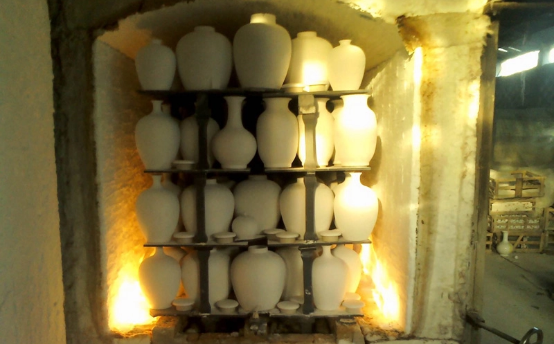
Under the industrial trend of energy conservation, carbon reduction, quality improvement, and efficiency enhancement, nano porous insulation materials mainly made of high-purity nano silica provide high-performance insulation upgrade solutions for various industrial kilns through a composite lining scheme of "refractory working layer+nano insulation backing".
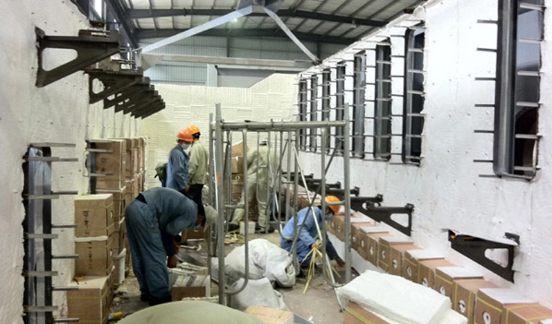
industry pain points
1. High energy consumption cost: Ordinary insulation materials have high thermal conductivity at high temperatures, large heat dissipation from furnace walls and roofs, low thermal efficiency of kilns, and high fuel consumption as a proportion of production costs.
2. Unstable quality of finished products: The insulation effect of the insulation layer is uneven, and the temperature difference inside the kiln is large, which can easily lead to fluctuations in the quality of product sintering and annealing, and an increase in the rate of defective products.
3. Limited effective volume: In order to achieve the required insulation effect, multiple layers of thick insulation materials need to be stacked, which will occupy the working space inside the kiln, limit the production capacity of a single furnace, and increase the load-bearing capacity of the furnace structure.
4. Short operation and maintenance cycle: Traditional insulation materials are prone to powdering and cracking due to long-term exposure to cold and hot cycles and kiln flue gas erosion, requiring frequent kiln shutdowns for maintenance and replacement, which interferes with the continuous production rhythm.
Solution
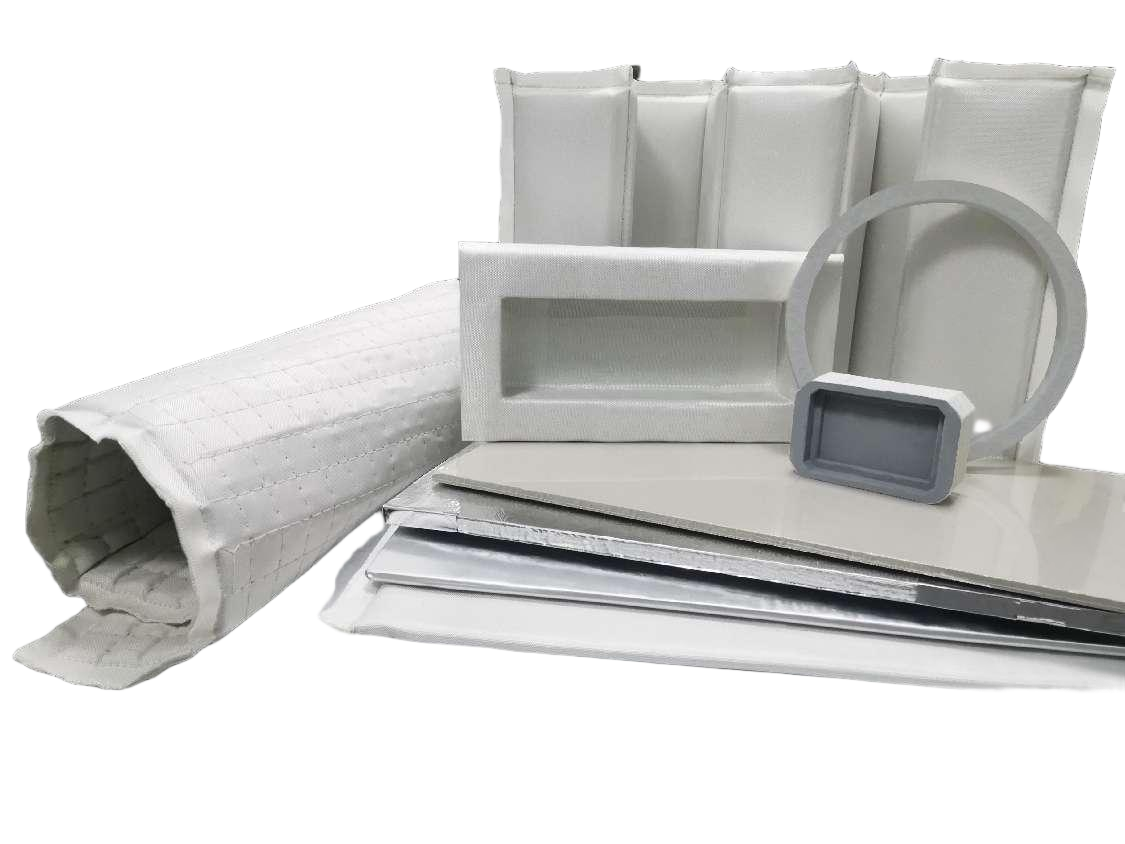
Adopting a composite lining structure of "refractory working layer+nano microporous thermal insulation backing", it is suitable for various industrial kilns and optimizes thermal performance: the furnace wall and roof are lined with backing plates to reduce heat dissipation and stabilize furnace temperature; Customize flexible materials to cover weak parts such as furnace doors and kiln cars, and seal off heat dissipation gaps; The flue and waste heat system are insulated and wrapped to reduce the temperature drop of flue gas and improve the efficiency of waste heat recovery.
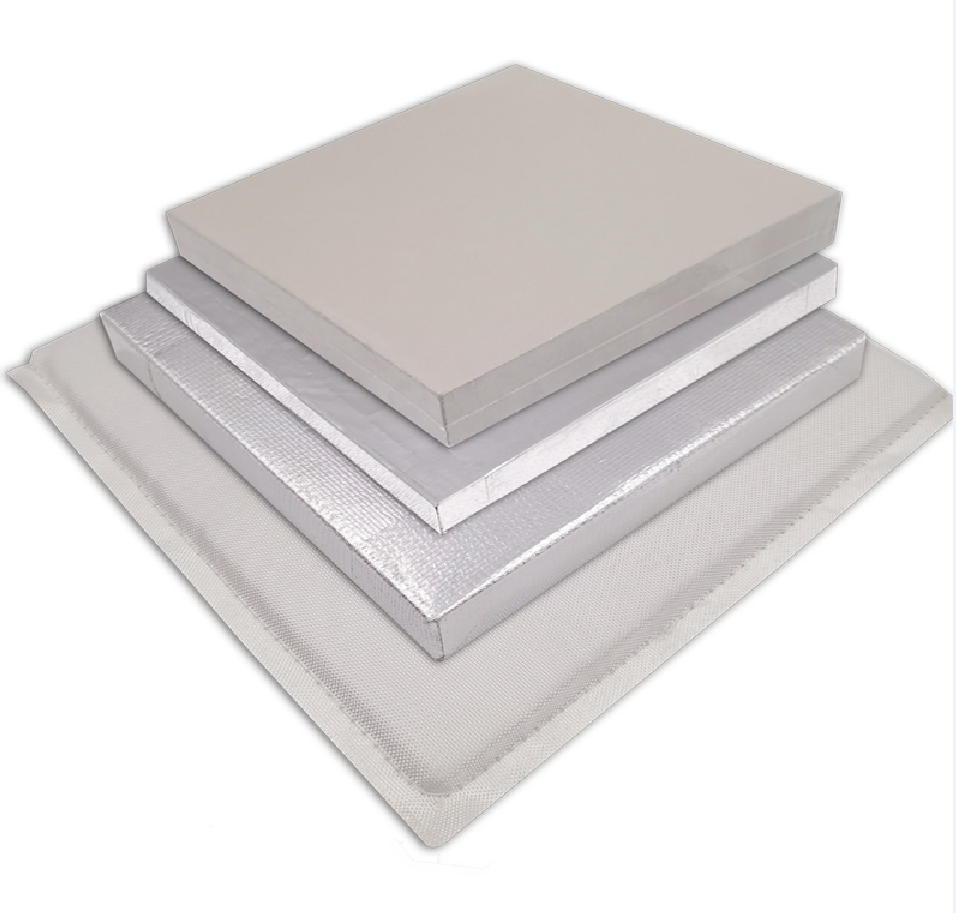
Application Effectiveness
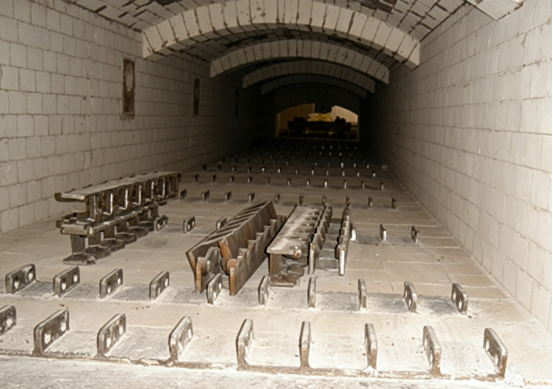
By upgrading the lining of nano microporous insulation materials, various industrial kilns have achieved multiple benefits: the thermal efficiency of kilns has been significantly improved, and fuel energy consumption and production costs have decreased synchronously; Improved temperature uniformity inside the kiln, enhanced product yield and quality stability; The thinning and expansion of the lining layer effectively improves the production capacity of a single furnace, while extending the maintenance cycle of the kiln, significantly reducing operation and maintenance costs and production losses, achieving multiple values of energy conservation, quality improvement, and longevity.
Tel

Contact Us

official account
Copyright © WH Thermal Technology(Shanghai) Co., Ltd. All rights reserved


