

Application Case of New Energy Vehicles | Nanoporous Thermal Insulation Materials Empower Power Battery Safety
The rapid development of the new energy vehicle industry makes thermal safety of power batteries and overall vehicle energy efficiency the core issues of the industry. The risk of thermal runaway in lithium batteries, vehicle space, and lightweight constraints have raised higher requirements for thermal protection materials. The nano porous thermal insulation material, mainly made of high-purity nano silica, provides high-performance solutions for new energy vehicle power battery systems and cabin thermal protection with ultra-thin and efficient insulation, A-level fire resistance, and lightweight characteristics, balancing driving safety, range improvement, and ride comfort.
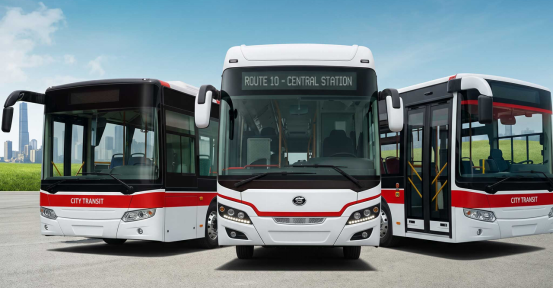
industry pain points
1. Outstanding thermal safety risks: Single cell thermal runaway can instantly release high temperatures of thousands of degrees Celsius. Traditional insulation materials have insufficient insulation efficiency and are difficult to block rapid heat conduction, which can easily cause module chain explosions.
2. The contradiction between lightweight and space: The weight of the vehicle directly affects the range, and the battery pack space prioritizes the capacity guarantee. Traditional insulation materials have a large thickness and high weight, which not only occupy the battery layout space but also increase the overall load of the vehicle.
3. High requirements for working condition adaptation: continuous vibration and temperature difference cycling during vehicle operation, and ordinary materials are prone to aging and failure; And the automotive scenario requires no toxic smoke release at high temperatures, with strict environmental safety standards.
Solution
Nano microporous insulation materials can be customized to adapt to multi scenario thermal protection of new energy vehicles: insulation pads are laid at the battery module and PACK levels to block the lateral spread of thermal runaway and control the range of faults; The inner wall coating of the battery pack serves as a buffer against environmental temperature changes and prevents high-temperature overflow in case of thermal runaway; Insulation of motor control, cabin and other parts reduces heat exchange, improves temperature control efficiency and passenger experience.
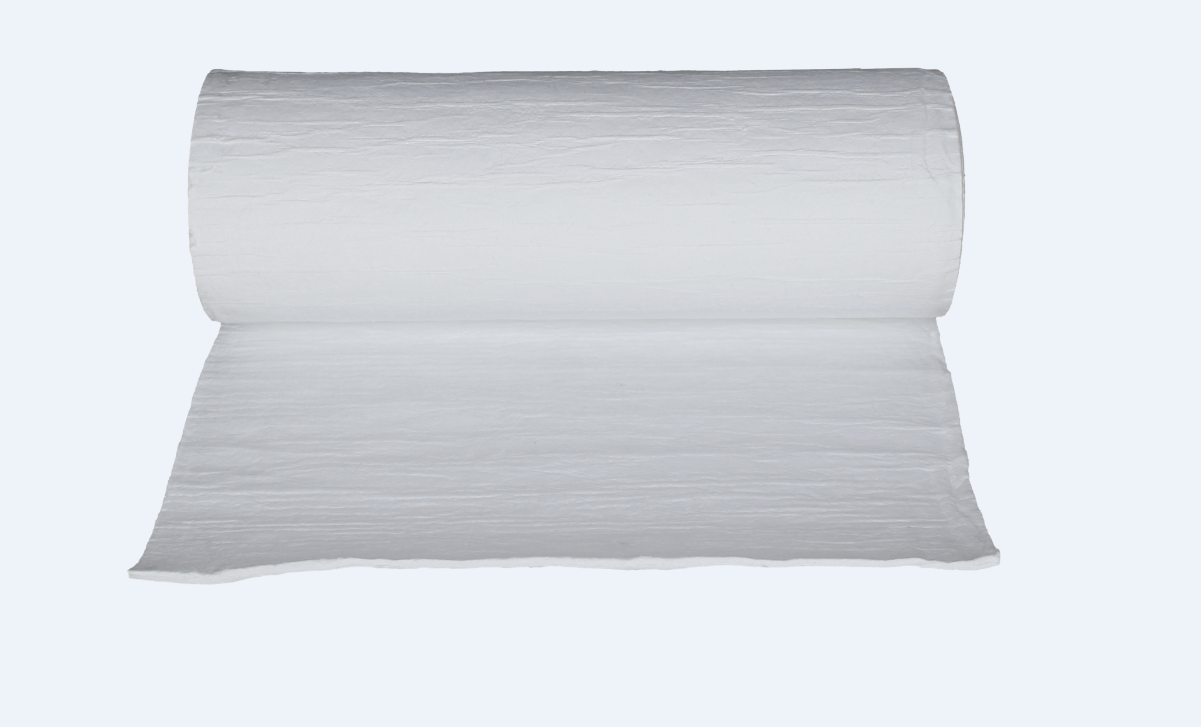
Application Effectiveness
Through the systematic application of nano porous insulation materials, the thermal safety performance and comprehensive energy efficiency of new energy vehicles have been upgraded in a dual way: the thermal runaway spread speed of power batteries has significantly slowed down, and the overall safety protection capability of the vehicle has been greatly improved; Lightweight design balances battery capacity release and vehicle lightweighting, helping optimize range performance; The long-term stability of the material also reduces the operational risks throughout the entire lifecycle of the vehicle.
Tel

Contact Us

official account
Copyright © WH Thermal Technology(Shanghai) Co., Ltd. All rights reserved


